
Washington CoastSavers Fall Cleanup 2021
By National Marine Sanctuary Foundation
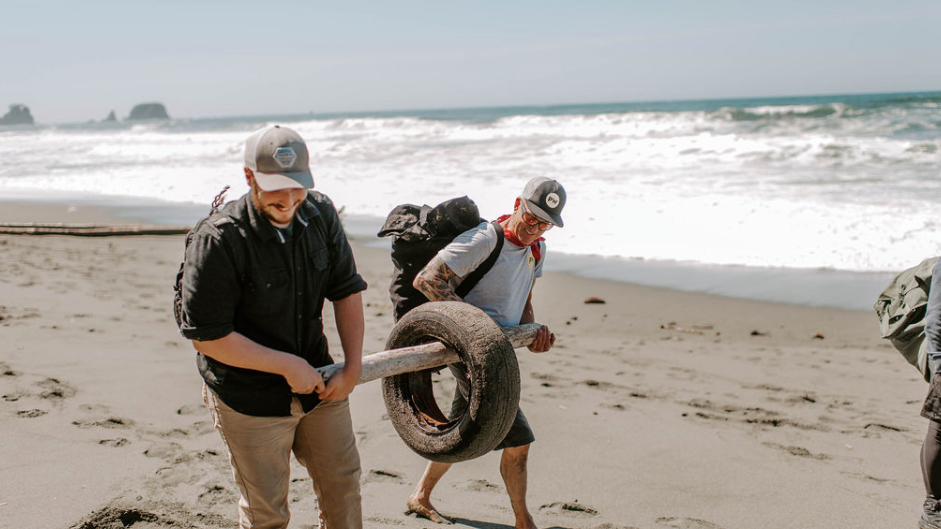
International Coastal Cleanup Day is an event first organized by the Ocean Conservancy over 30 years ago that has grown into a global effort in which communities across the world work together to clean up their coastlines during the month of September. This year, the majority of our locations will be hosting a cleanup on September 11th. Please note that some locations will be hosting cleanups on alternate days, so keep an eye on our web map for updated information on the dates, times, and locations of cleanups along Washington’s coast.
Cleanups generally start in the morning, and registration sites typically have a table run by volunteers or park staff with information and supplies, such as bags. We encourage you to bring your own supplies if you have them! Be sure to review the basic safety guidelines below, check the tides and weather before you head out, and dress appropriately. For more information, head to our Frequently Asked Questions page.
Be COVID safe: Please note that state and local guidelines could change between now and the cleanup as COVID cases increase. Wear a mask at the registration tables or when less than 6 feet away from people not in your party. Registration sites may be implementing additional safety protocols, so please be prepared to follow their guidance for your safety and the safety of those around you. For additional information, please visit the WA State Coronavirus Response page.
We encourage you to help us collect important data on the trash you pick up. You can report what you find using our Debris Data Card (please email your results to us at Coordinator@coastsavers.org), or you can download the Ocean Conservancy’s Clean Swell app to record as you go! By knowing what types of trash we find most often and where it comes from, we can identify solutions to stop it at its source. Check out our Stop the Inflow Working Group if you’re interested in how you can help stop the inflow of plastic into our ocean. Ask at the sign-in station about local options for recycling of collected debris. There may be options for high-grade plastics (not weathered and dirty) and other recyclable materials.
Basic Safety Guidelines
Dress for success - wear gloves, proper clothing (layers!), and water-resistant shoes.
Do not touch medical waste, dead animals, hazardous materials, or sharp objects. If you are uncertain about an item, do not touch it.
Do not approach wildlife.
Report hazardous and large items that cannot be removed to the site coordinator - if possible, collect a GPS position.
Do not try to lift anything that is too heavy for you. Ask for help!
If you find large debris, such as derelict vessels, big tires, or creosote logs, you can report them using the MyCoast app
Work with a partner.
Be mindful of unstable banks, steep slopes, or slippery surfaces.
Watch for poison oak, plants with thorns, or other natural hazards.
When driving on the beach (State Parks only), stay on compacted sand. Do not drive into sand that is very soft or very wet.
- Be Aware of tides and whether they will affect your access to trailheads.
- Beach logs can become slippery and may be dangerous, be aware of your surroundings.
Dress for success - wear gloves, proper clothing (layers!), and water-resistant shoes.
Do not touch medical waste, dead animals, hazardous materials, or sharp objects. If you are uncertain about an item, do not touch it.
Do not approach wildlife.
Report hazardous and large items that cannot be removed to the site coordinator - if possible, collect a GPS position.
Do not try to lift anything that is too heavy for you. Ask for help!
If you find large debris, such as derelict vessels, big tires, or creosote logs, you can report them using the MyCoast app
Work with a partner.
Be mindful of unstable banks, steep slopes, or slippery surfaces.
Watch for poison oak, plants with thorns, or other natural hazards.
When driving on the beach (State Parks only), stay on compacted sand. Do not drive into sand that is very soft or very wet.
Need help? Email support@givelively.org

© Give Lively LLC 2026. All Rights Reserved.